Loading... Please wait...




















Recent Posts
Safety Tips for Handling Airsoft Guns
Posted by on
Airsoft guns At Home, In Transit, and On the Field!
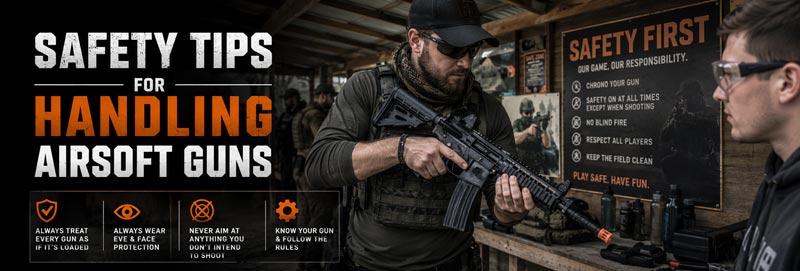
Introduction: Why Airsoft Safety Matters
Although airsoft guns fire plastic airsoft bb pellets, they are still air guns capable of causing injury, to eyes and teeth, at typical UK field velocities of around 330–350 FPS. Handling airsoft guns safely prevents injuries and makes sure of a positive experience for everyone involved playing. The bb gun safety rules for airsoft are the same as a real firearm: treat every bb gun as loaded, control the muzzle, and keep your finger off the trigger until you are ready to fire. Good habits at home, in transport, and during airsoft games protect other airsoft players, spectators, and the reputation of the airsoft community.
This article covers home storage, transport, safe on-site procedures, charging AEGs, protective gear, and rules like no blind firing and respecting engagement distances.
Core Gun Safety Rules for Airsoft Guns
Airsoft guns and bb guns are replica firearms often indistinguishable from a real gun at a distance. That means universal firearm safety rules apply in full, with no exceptions.
The four non-negotiable rules every airsoft player must follow:
-
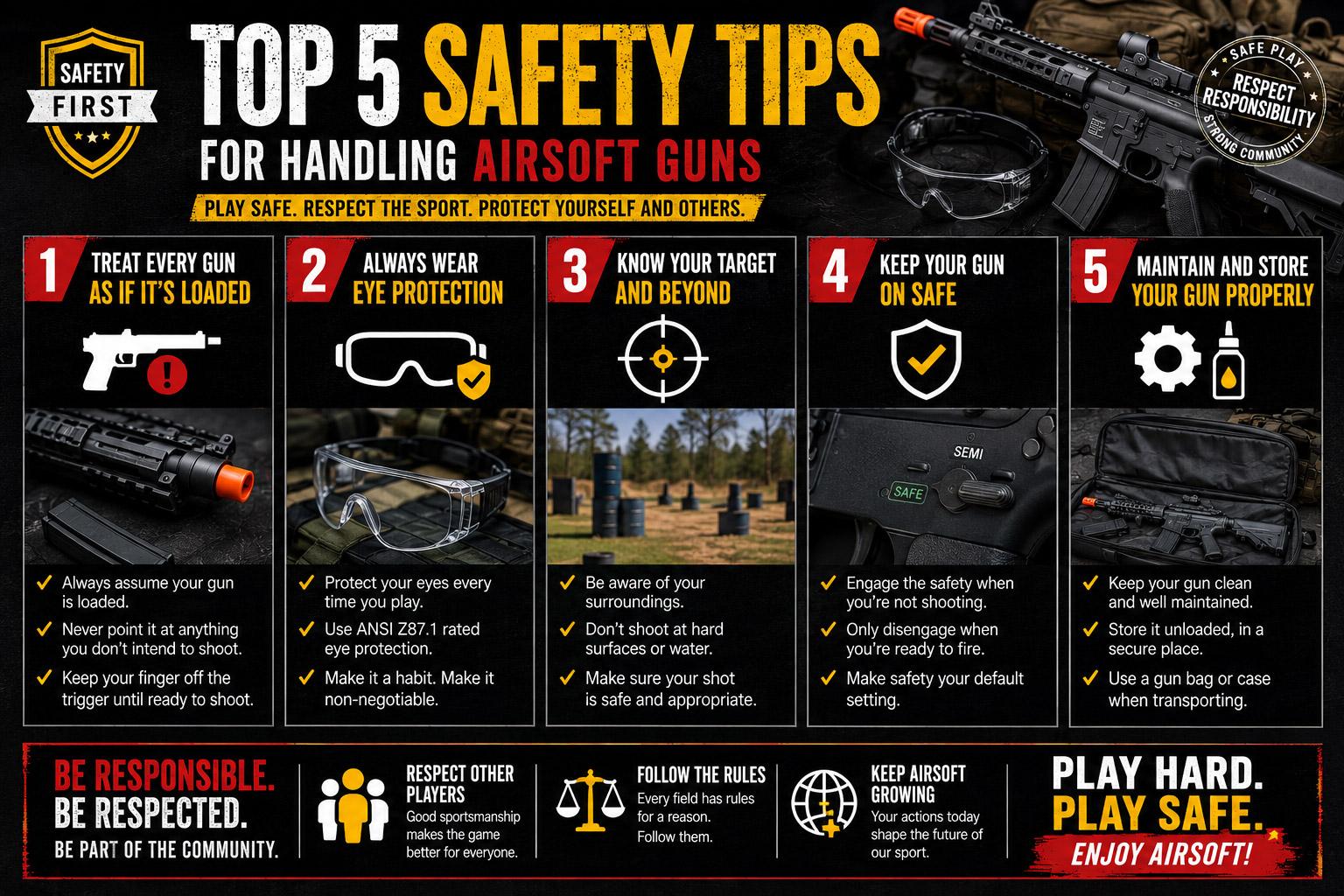
Treat every airsoft gun as loaded. Even if you just cleared it, handle it as though a round is chambered.
-
Never point the muzzle at anything you are not prepared to shoot. Muzzle discipline applies everywhere-your house, the chrono queue, the safe zone, and the game zone.
-
Keep your finger off the trigger until your sights are on target and you are ready to shoot. Resting a finger on the trigger guard prevents accidental discharge.
-
Know what is beyond your target. Airsoft bbs ricochet off hard surfaces, so always consider backstops, bystanders, and rebound angles before you fire.
These airsoft safety rules apply in the same way whether you are holding an airsoft rifle, airsoft pistol, or a brightly coloured two-tone replica. Police and bystanders cannot easily tell the difference, so responsible handling is always critical.
Safe Storage of Airsoft Guns at Home
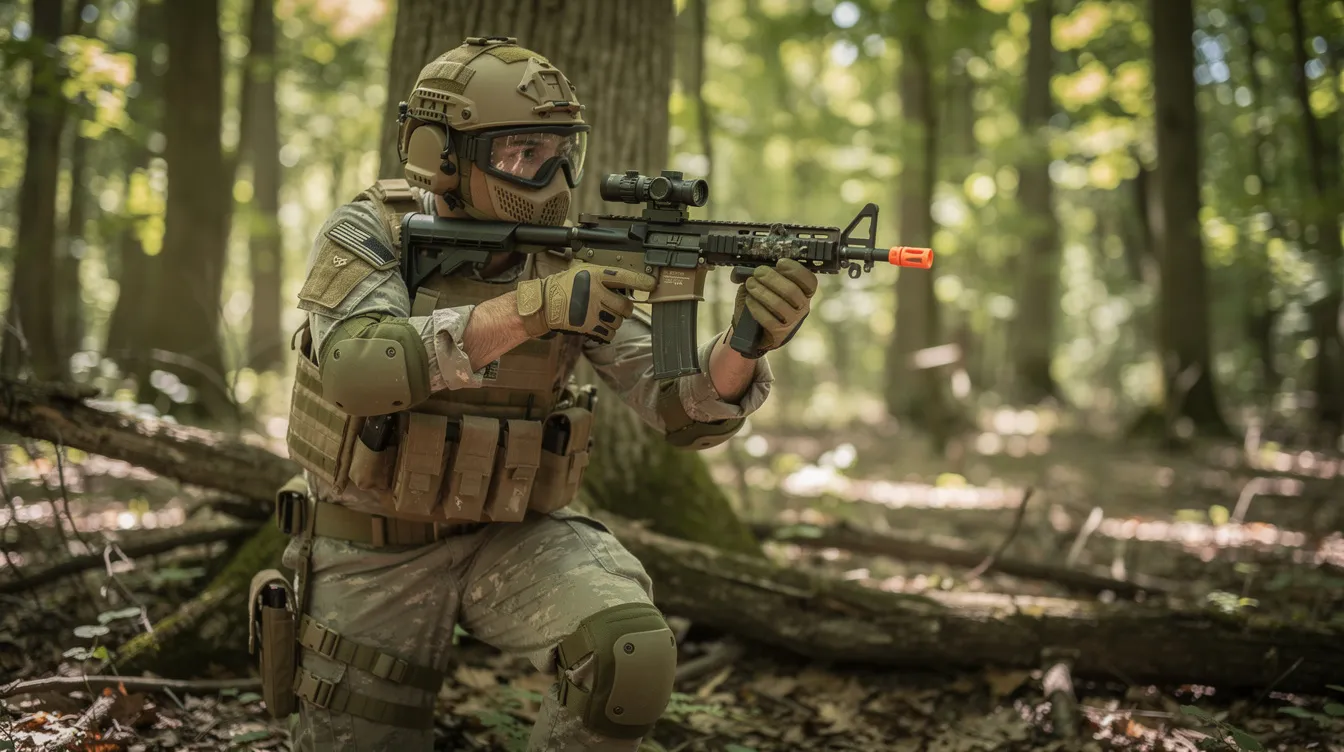
Secure storage protects children, visitors, and your equipment. The UK Air Weapons (England & Wales) Rules 2023, which took effect on 31 July 2023, now require reasonable precautions to prevent minors from accessing air weapons. Store airsoft replicas in a safe or locked area to prevent unauthorised access, and keep them out of the wrong hands.
Before putting any airsoft gun away:
-
Remove the guns magazine and clear the hop-up unit of any remaining bb pellets.
-
Take out gas or CO₂ bulbs and disconnect batteries from AEGs.
-
Engage the safety catch if fitted.
-
Store the gun in a lockable gun bag, rigid gun case, or lockable cupboard, protecting it from dust.
Store airsoft bbs and gas canisters separately from the guns. Keep ammunition in sealed containers and gas in a well-ventilated area away from heat. Batteries belong in lipo-safe bags or metal tins, stored in a cool, dry place away from direct sunlight, radiators, or lofts that overheat. Damp garages can damage a gun's internal components, seals, and electronics, so avoid those too.
Regular maintenance and proper storage helps maintain your equipment's optimal performance across seasons, including cold weather.
Transporting Airsoft Guns Safely and Legally
Do not handle airsoft guns in public view. They can easily be mistaken for real firearms by both the public and police. Follow local laws regarding airsoft ownership and transport at all times.
Key transport rules:
-
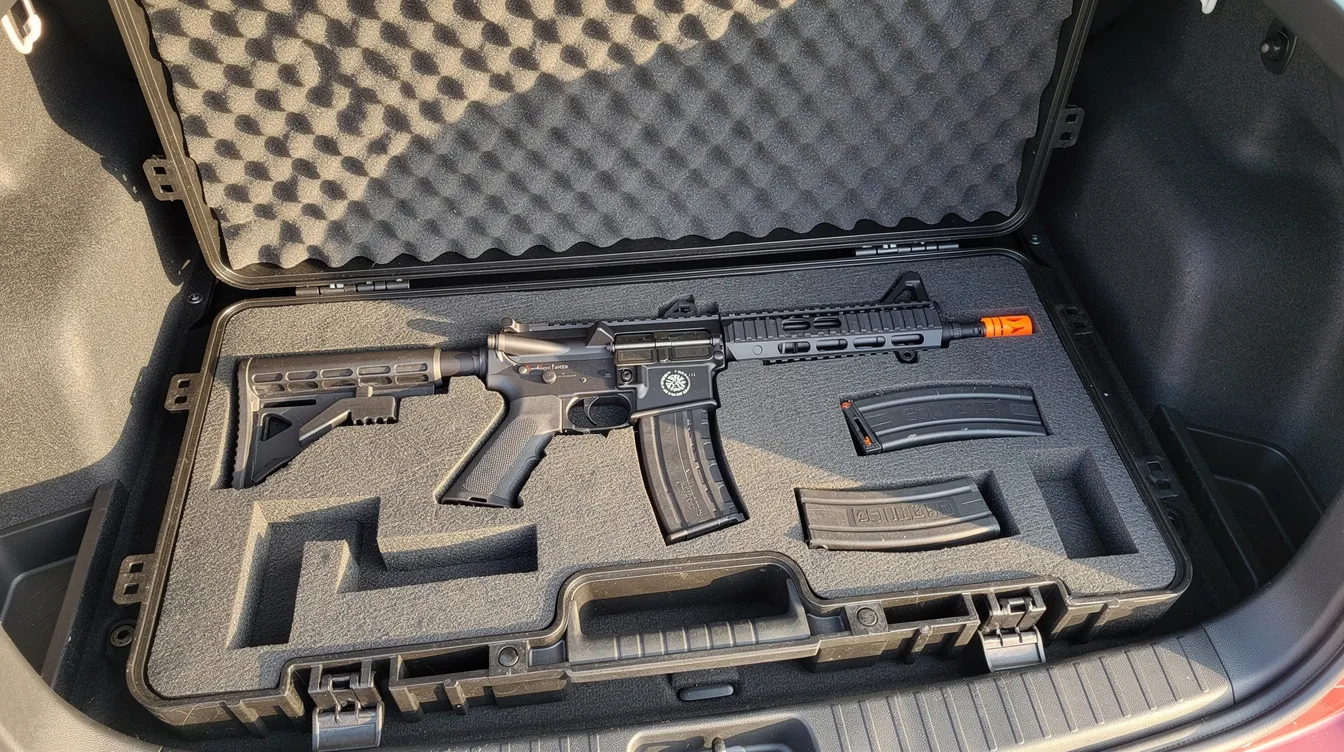
Airsoft guns should be transported in a gun bag or hard case, never loose or uncovered.
-
Keep them unloaded with magazines removed, batteries disconnected, and gas separated. Airsoft guns should never be in a ready-to-shoot state during transport.
-
Airsoft guns must not be visible during transport. When using a vehicle, place cases in the boot rather than on seats or parcel shelves.
-
On public transport or on foot, keep equipment discreet and avoid displaying anything that resembles a real firearm.
-
Always provide a valid reason for transporting airsoft guns. Carry proof of game bookings, site membership, or a shop receipt to explain legitimate use if stopped by police. For more info on how to transport airsoft guns safely, click here.
Eye and Face Protection: Preventing Serious Injury
Permanent eye damage is the most serious common risk in airsoft. A Stanford-led study documented a 500% increase in children's eye injuries from air-powered guns between 2010 and 2012 in the US alone. Airsoft rated eye protection is essential for safety, and proper eye protection is non-negotiable during every game and target practice session.
What to look for:
-
Eye protection must meet ANSI standards for safety (ANSI Z87+ or EN166). Sunglasses are insufficient for airsoft eye protection. Airsoft goggles must withstand impacts from bbs at field velocities.
-
ANSI rated goggles with full-seal designs prevent bbs, fragments, and dust from reaching the eyes. ANSI-rated goggles prevent serious eye injuries from bbs.
-
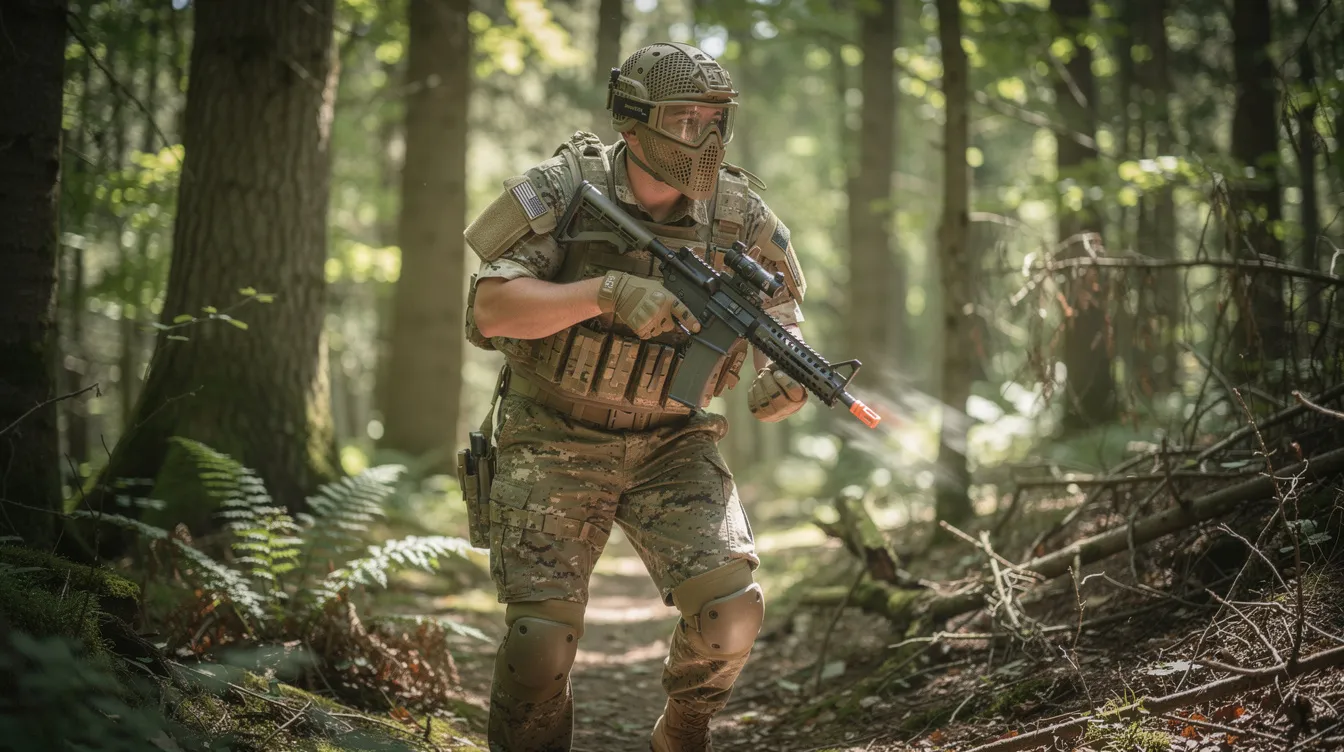
Full face protection, including full-face masks, prevents injuries to teeth and face. Under-18s are often required to wear full face masks at UK sites.
-
Eye protection must be worn at all times during airsoft-in game zones and until marshals confirm it is safe to remove them in the safe zone.
Regularly check goggles and face masks for cracks, deep scratches, loose straps, or weakened foam. Damaged eye protection should be replaced immediately, not patched or taped.
Rebounds during home target shooting are a common source of eye injuries. Even when shooting alone, wear full-seal goggles-bbs bounce off hard surfaces at surprising speed and unpredictable angles. also read this airsoft mask buying guide
Appropriate Clothing and Personal Protective Gear
While airsoft guns usually do not break skin at normal engagement distances, appropriate clothing and the right gear significantly reduce welts, cuts, and sprains. An enjoyable airsoft experience depends on comfort and protection working together.
Essential clothing and protective gear:
-
Wear long sleeves and long trousers to minimise exposed skin. Wearing long sleeves and pants reduces painful direct hits on bare skin.
-
Sturdy boots with ankle support are crucial for muddy or uneven airsoft field terrain, especially in woodland areas.
-
Gloves protect fingers and knuckles from bb impacts and terrain scrapes.
-
Protective gear includes gloves, helmets, and knee pads. Beanies or caps soften head hits, while shemaghs or neck guards protect exposed neck skin.
-
Knee and elbow pads are valuable for players who kneel or dive, especially in CQB environments with concrete floors.
-
Carry a compact first aid kit containing plasters, antiseptic wipes, bandages, and medical tape. Even well-staffed commercial sites cannot guarantee instant attention for every minor cut or welt. also check out our airsoft clothing guide
Charging and Handling AEG Batteries Safely
Most modern airsoft guns are AEGs (Automatic Electric Guns), which rely on rechargeable batteries as their power sources. Mishandled batteries are a genuine fire risk.
Safe charging practices:
-
Use the correct charger for your battery chemistry. LiPo batteries require balance chargers; NiMH batteries need compatible chargers. Never use a cheap, unbranded charger that does not match your pack.
-
Never leave batteries charging unattended or overnight. Charge on a non-flammable surface inside a LiPo-safe bag or fire-resistant container.
-
LiPo cells should reach a maximum of 4.2V per cell and never discharge below 3.0V per cell. For storage, aim for approximately 3.8V per cell.
-
Inspect battery condition before and after games. Look for swelling, punctures, or damaged wires. Dispose of damaged packs at proper battery recycling points-never in household waste.
-
Remove batteries from AEGs when leaving a site or storing at home to prevent trickle drain, accidental activation, or corrosion. Store batteries in a cool, dry place to prolong life.
-
You can find our full airsoft battery safety guide here.
On-Site Safety: Game Zone vs Safe Zone
Understanding the difference between game zones and safe zones is an important aspect of playing airsoft safely. Game zones are where shooting is permitted under full eye and face protection. Safe zones are staging areas where every gun must be made completely safe.
When leaving the game area for the safe zone:
-
Remove the magazine from your airsoft gun.
-
Fire a few dry shots into a designated safe direction to clear any airsoft bbs remaining in the barrel and hop up.
-
Engage the safety catch.
-
Fit a barrel sock or muzzle cover if the site requires it.
No firing, test shots, or dry firing is permitted in the safe zone. Eye protection must remain on until you are fully inside the safe zone boundaries and marshals confirm it is safe.
Most reputable UK sites run chrono checks before gameplay to enforce FPS limits. Most airsoft fields have FPS limits for BB speed-typically 350 fps (~1.14 Joules) for outdoor AEGs and 328 fps (~1 Joule) for indoor CQB. Sites also use coloured tape systems for team identification and deliver pre-game safety briefings. Report unsafe behaviour to marshals immediately-it is everyone's safety concern. You can find a typical airsoft site's game rules here
Field Regulations: Blind Firing and Minimum Engagement Distances
Airsoft Field regulations exist to prevent close-range injuries and uncontrolled shots. Airsoft fields have specific rules and regulations, and players must listen carefully to the pre-game safety briefing at every new site. An experienced airsoft player knows that the field's rules are there to protect everyone.
Blind firing is shooting without clearly seeing your target-for example, sticking a barrel around a corner or over cover without looking. It is banned at reputable sites because it creates unpredictable BB trajectories and risks hitting bystanders, marshals, or already-eliminated players. Always look through your sights and observe where your bbs are going. Use hand signals to communicate with teammates instead of firing blindly.
Minimum engagement distances (MEDs) vary by gun type and site-specific rules:
|
Gun Type |
Typical MED |
Notes |
|---|---|---|
|
Standard AEG |
0–5 m |
Often no MED if under 1 Joule |
|
DMR (semi-auto only) |
20–30 m |
Higher FPS, semi-auto lock required |
|
Bolt-action sniper rifle |
30–40 m |
Highest power, longest MED |
Players must respect minimum shooting distances to prevent injuries. Surrender rules prevent shooting opponents at close range-call "bang" or offer a surrender rather than firing a high-FPS air rifle point-blank. Overshooting a player who has already called their hit is both unsafe and unsporting and can result in removal. Avoiding friendly fire and unnecessary aggression keeps the full range of game types fun for the whole airsoft community.
Safe Target Shooting and Backstop Management at Home
Many bb gun players use their airsoft gun for target shooting in gardens or garages. This still requires proper airsoft safety measures.
-
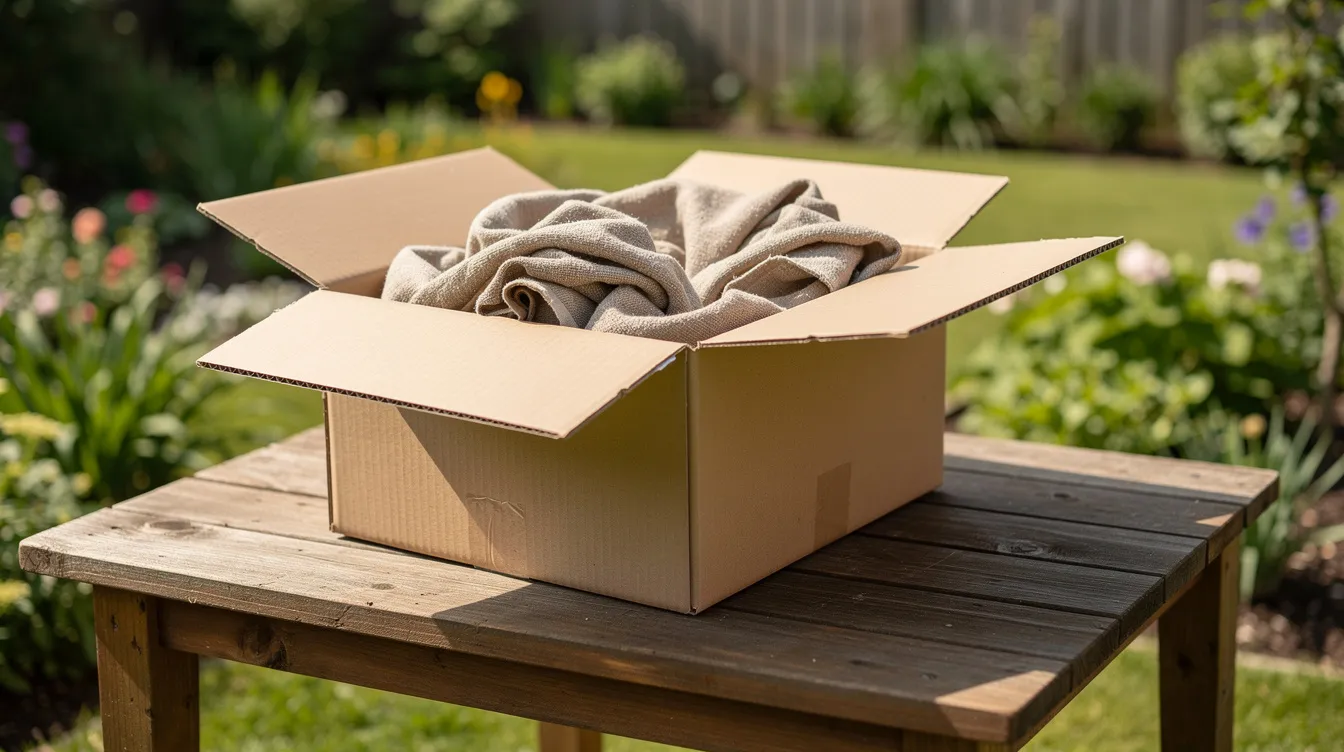
Use a safe backstop that will stop bbs and reduce ricochet chances. A purpose-built BB trap or a thick box filled with rags works well. Avoid hard surfaces like brick, metal, or tiles that send bbs bouncing unpredictably.
-
Check what lies beyond the target. Ensure neighbours' windows, vehicles, pets, and children are well out of any possible BB path or ricochet angle. Always point airsoft guns in a safe direction.
-
Eye protection is still required during solo practice-ricochets at close range can return at eye height with surprising force.
-
Use high-quality bbs to prevent jams and damage to the barrel and hop-up. Cheap bbs shatter on impact, increasing ricochet risk and potentially harming a gun's internal components. Keep a cleaning rod handy for clearing jams.
-
Be mindful of noise and visibility. Keep replica firearms out of sight of public paths and fences to avoid alarming neighbours or prompting police calls.
Common Mistakes with Airsoft Gun Safety (and How to Avoid Them)
Even an experienced player can slip into bad habits. Here are the most common errors and how to correct them:
-
Carrying a loaded gun into the safe zone. Always remove the magazine and clear the gun after use before crossing into safe areas. Make it automatic, not optional.
-
Neglecting battery safety. Leaving LiPo packs charging overnight on a sofa or bed is a genuine fire hazard. Always charge in lipo-safe bags on non-flammable surfaces.
-
Casual muzzle sweeping. Pointing your barrel at teammates while chatting or adjusting gear is a serious breach of muzzle discipline. Treat it the same way you would a real gun-always down or in a safe direction.
-
Handling guns in public view. Adjusting your airsoft gun in a front garden visible from the street can prompt armed police responses. Keep all work indoors or fully out of sight.
-
Skipping post-game maintenance. Clean your airsoft gun after each game. Store it in a case to protect from dust. Neglecting this leads to jams, seal wear, and poor performance.
-
Poor eye protection choices. Wearing fashion sunglasses or cracked goggles is gambling with your vision. Only use impact-rated, full-seal protection.
Call out unsafe behaviour politely when you see it. Airsoft safety is a shared responsibility-every player contributes to an enjoyable experience on every field and in every home.
FAQ: Practical Airsoft Safety Questions
Can I let my child handle an airsoft gun at home if I supervise them?
Children should only handle airsoft guns under close adult supervision, with full eye and face protection, in controlled environments like private gardens or indoor ranges. Under UK local laws, children under 18 cannot legally purchase replica imitation firearms. Secure storage is both a legal and moral obligation-keep airsoft guns locked away and out of unsupervised children's reach at all times.
Is mesh eye protection safe enough for airsoft games?
While some sites allow steel mesh face masks, poorly made mesh can allow BB fragments and small plastic shards to reach the eyes. Full-seal, impact-rated polycarbonate goggles or masks meeting ANSI Z87+ or EN166 are the safest option. Always follow your field's specific rules on acceptable eye protection before arriving on game day.
How often should I replace my airsoft eye and face protection?
Inspect goggles and masks before every game. Look for cracks, deep scratches, warped lenses, or weakened straps. Replace equipment immediately after any significant impact that visibly marks or deforms the lens. Even without visible damage, consider replacing protection every few seasons as materials degrade from UV exposure and general wear.
Can I charge my AEG batteries at the airsoft site during the day?
Many modern sites offer charging points or allow players to bring their own chargers. Use proper LiPo-safe bags, never leave batteries unattended in communal areas, and label your packs clearly. Follow the site's specific rules on charging locations and always use a balance charger matched to your battery chemistry.
What should be in a basic airsoft first aid kit?
A practical first aid kit should include plasters in various sizes, antiseptic wipes, small bandages, medical tape, blister plasters, and a pair of disposable gloves. Carry any personal medications like inhalers or allergy tablets in their original packaging. For a serious injury-such as eye damage, fractures, or deep wounds-always seek qualified medical help or call emergency services immediately.
Key Takeaways
-
Treat every airsoft gun the same way you would treat a real firearm: strict muzzle discipline, finger off the trigger until ready to shoot, and never point at anything you do not intend to hit.
-
Secure storage at home means keeping airsoft guns unloaded, locked away, and separate from ammunition and power sources. UK air weapon storage rules tightened in July 2023 to strengthen protections for minors.
-
On-site safety requires following field regulations, clearing your airsoft gun (magazine out, dry fire into a safe direction) before entering the safe zone, and never blind firing around corners.
-
Certified eye and face protection is non-negotiable during every airsoft game and when target shooting at home, where rebounds from hard surfaces can cause serious eye injuries.
-
Players should understand battery and charger safety for AEGs, respect minimum engagement distances, and carry a basic first aid kit for minor injuries.